Hospitality ecosystems
For the past fifteen years, I have managed Il Rigo in a mostly instinctual way.
Without a formal training in hospitality or leadership, I relied on intuition, sensitivity and experience. After all, I grew up between my parents’ agriturismo and restaurant: I spent my childhood quietly observing what happened behind the scenes, long before I could name or understand it consciously.
Only now, after years of living and working in this place, I can better recognise the awareness behind that process.
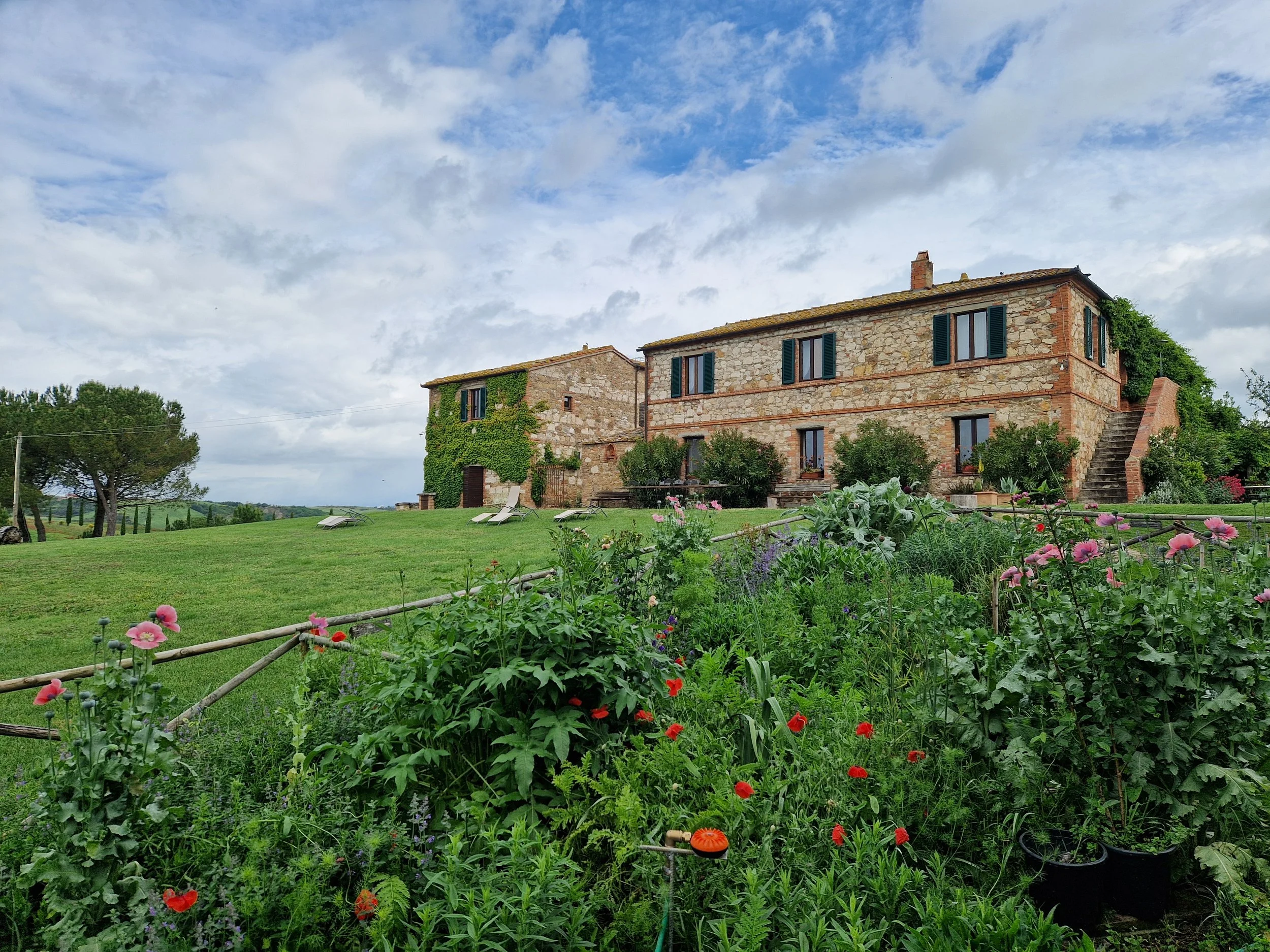
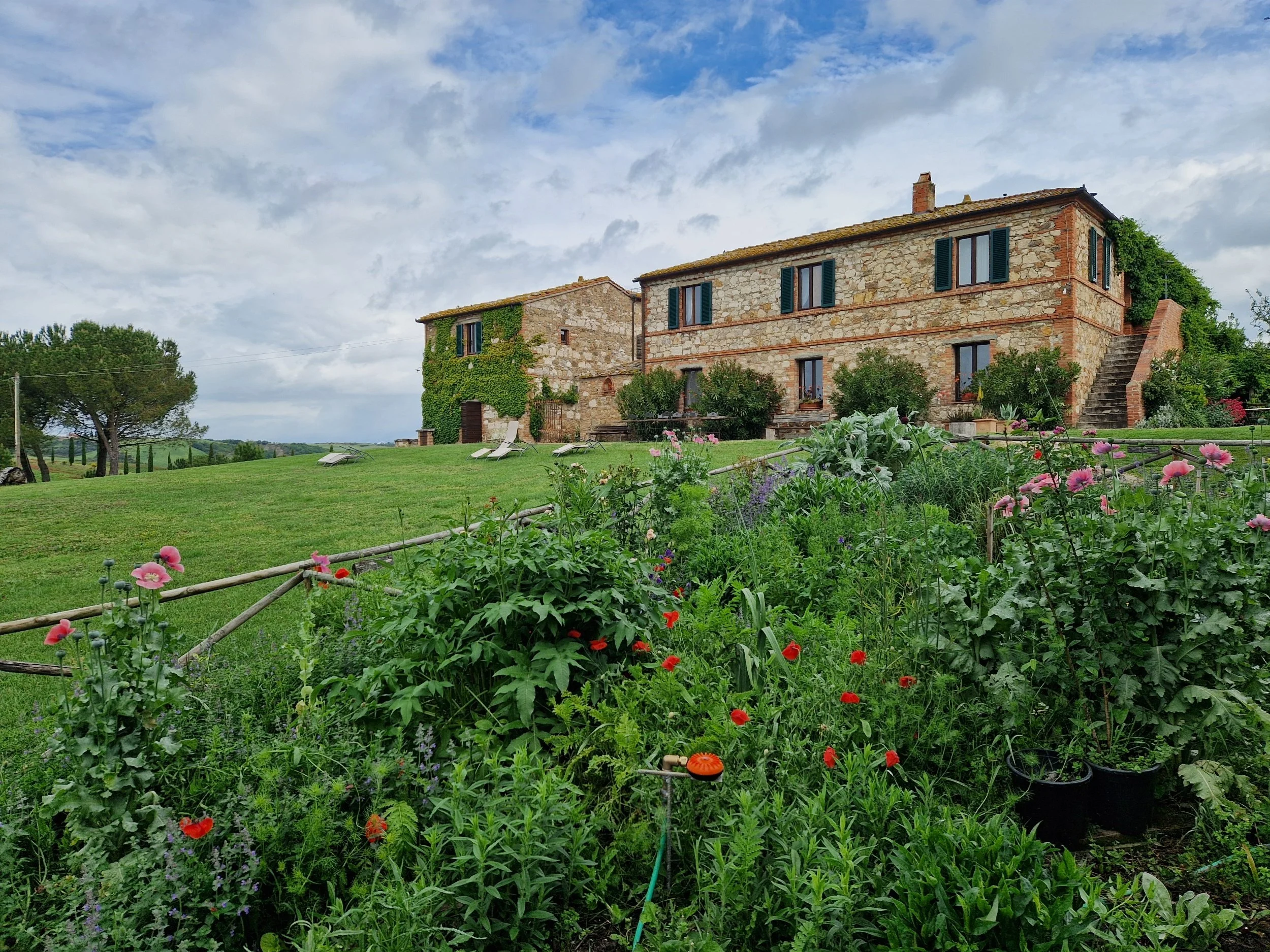
I like to think about Il Rigo as a natural garden, where all the elements contribute to creating beauty and balance. In my idea of hospitality, everything should feel harmonious and proportionate. Cozy rooms become more meaningful when you wake up to a generous breakfast prepared for you. Food tastes different when it is cooked with care and served by people who are not rushed, but relaxed enough to exchange a word or two between courses. A garden should not simply decorate a landscape, but invite you to slow down, to observe, to understand a little more about the rhythms of farming and the land around you.
To me, this is what makes an experience truly valuable. Remove one element, and something essential is lost.
Over time, I started believing that this relationship between the parts should also be reflected in the human relationships behind the scenes. Places somehow absorb the atmosphere in which they are run. And yet, I often realise how unusual this approach still is within hospitality.
I still encounter working environments shaped around strong hierarchy, dominance and a rigid idea of professionalism, often disconnected from the actual result and from the wider purpose of hospitality itself: offering people a sense of meaningful well-being.
Not just comfort or beauty, but a kind of well-being rooted in respect, continuity and balance. A place that feels peaceful because it has not been built by exhausting the people behind it, nor by depleting the land that sustains it.
Perhaps I am naïve. Or perhaps places, like gardens, reveal over time whether they have been built through force or through balance.
I suppose continuity will tell.
Luisa
did you like this post?
Here you can find more “Thoughts from the Hills”—stories, reflections, and a glimpse of perspective from a Tuscan woman who once dreamed of going far away, and then found she couldn’t leave home.