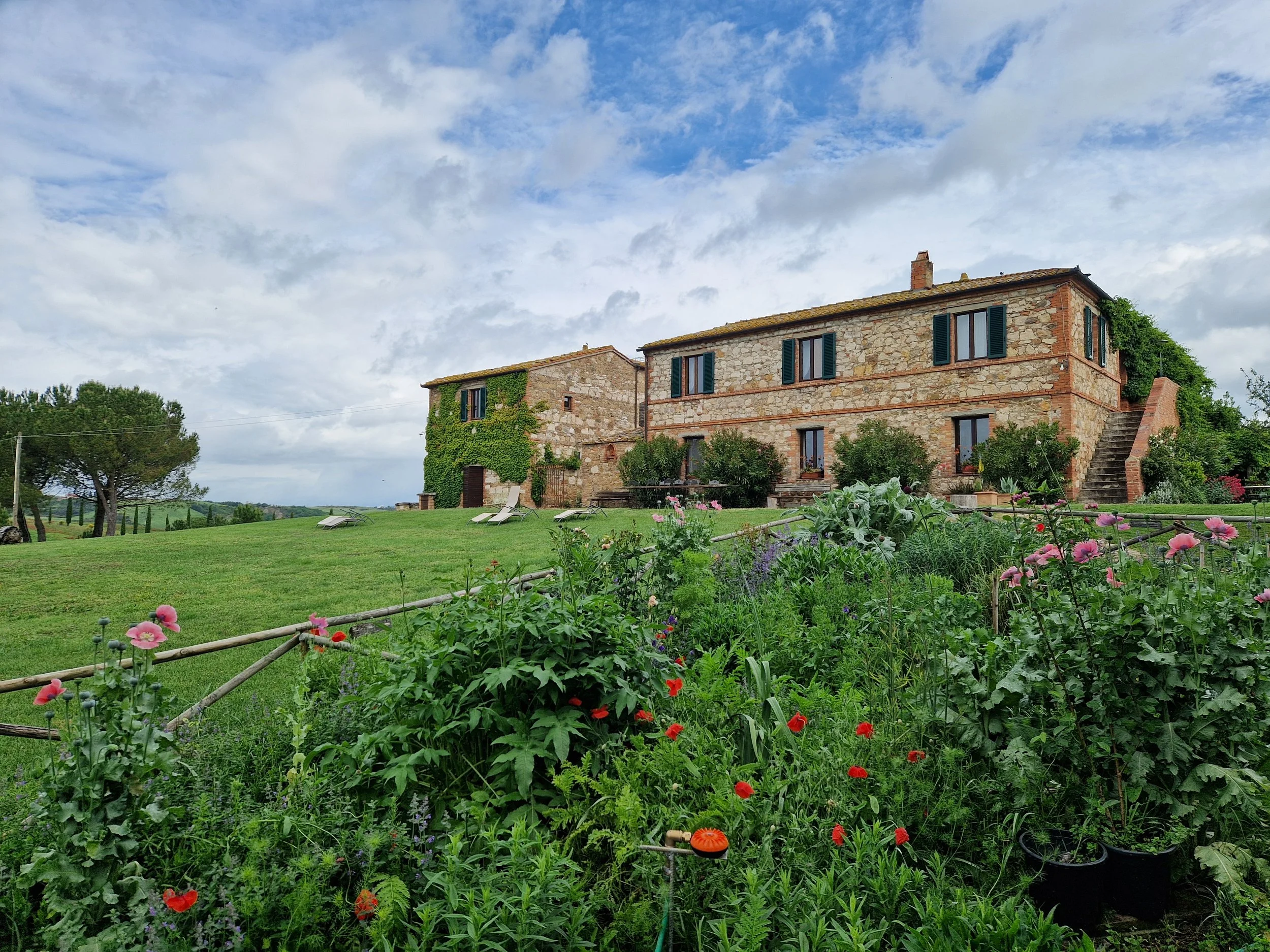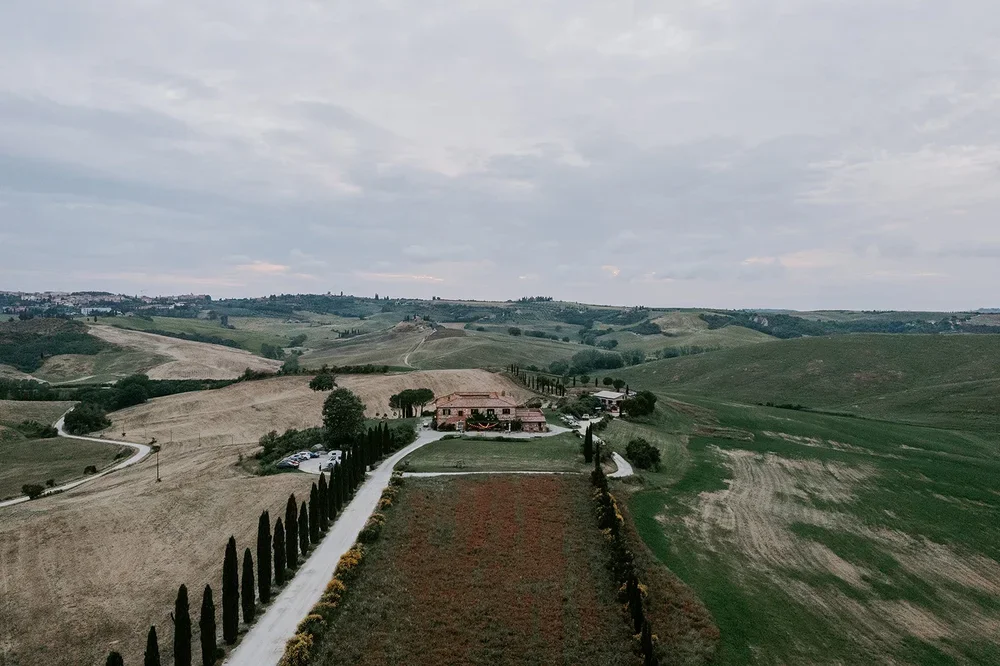
A gravel garden for Poggio Bacoca
This winter I dedicated some time to a project that had been in my mind for quite a while.
Over the last few years, I kept thinking that Poggio Bacoca was in need of a garden. Its position is stunning — perched on top of the hill, with endless views across the countryside. At the same time, that openness felt overwhelming. Where do you begin? It is easier when a place already offers some direction: a few grown trees, a slope, a natural frame. Here, instead, it felt like a blank canvas.
Another important part of it was that I did not want to hire a company to do the job. Of course, it might have been quicker, perhaps more polished, but I deeply enjoy the process itself: planning, imagining, shaping a garden, bringing to life what once was only an idea. I wanted to gather my own experiences and knowledge and create something made to my measure — imperfect, personal, carrying a story, and above all a special meaning for me.
The idea for Poggio Bacoca had been with me for at least a couple of years. Then one afternoon I sat down and sketched a plan.
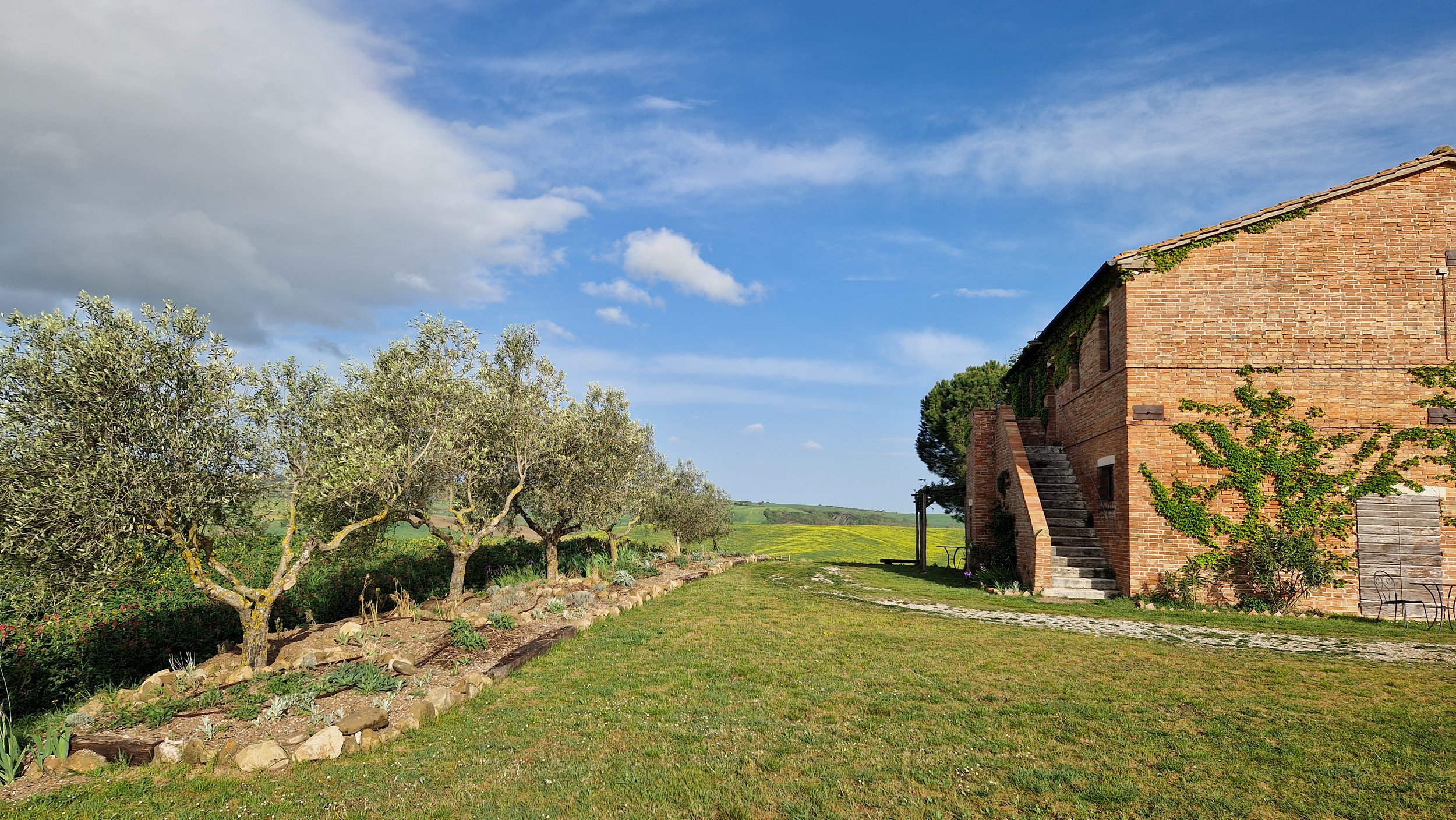
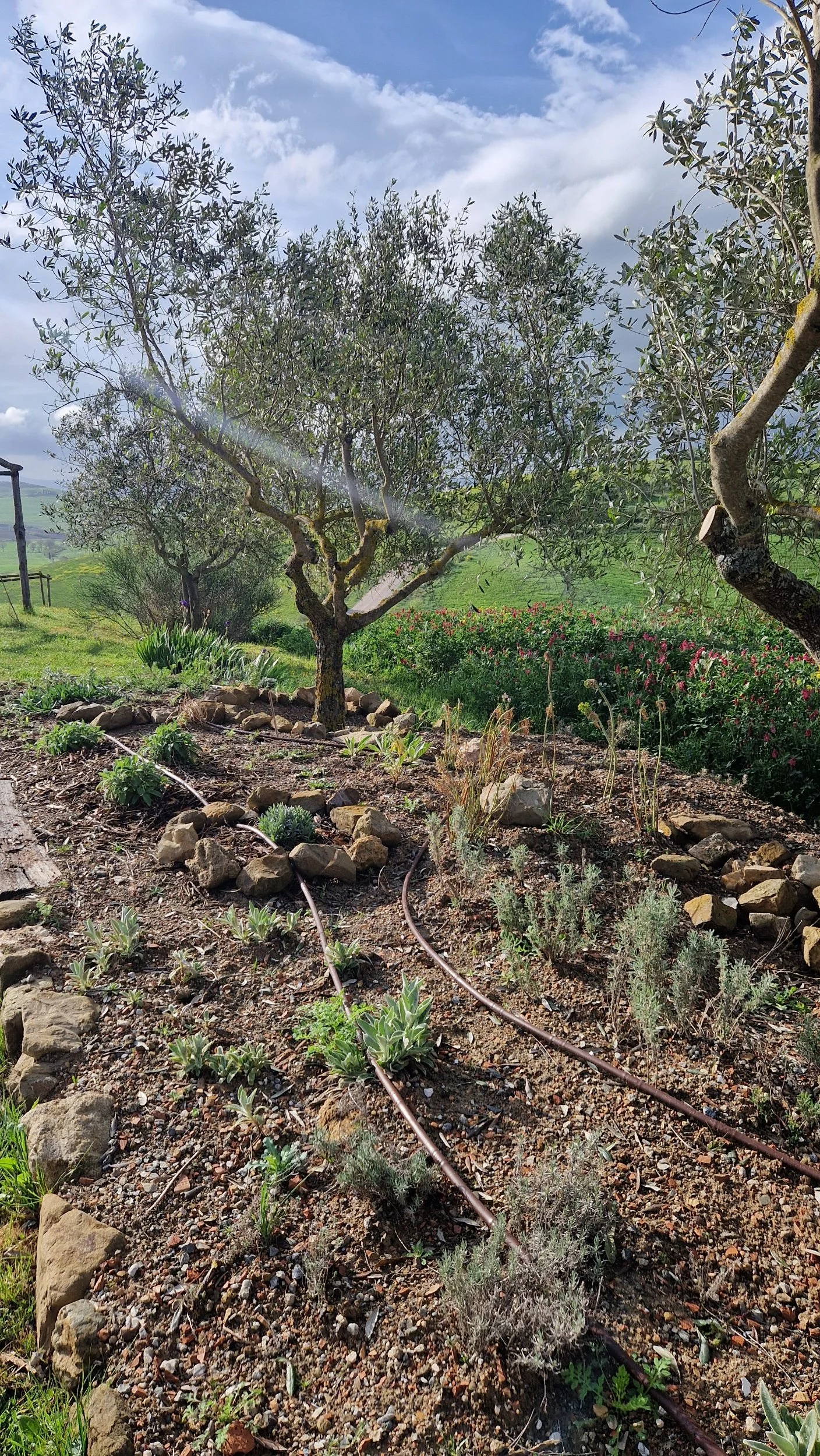
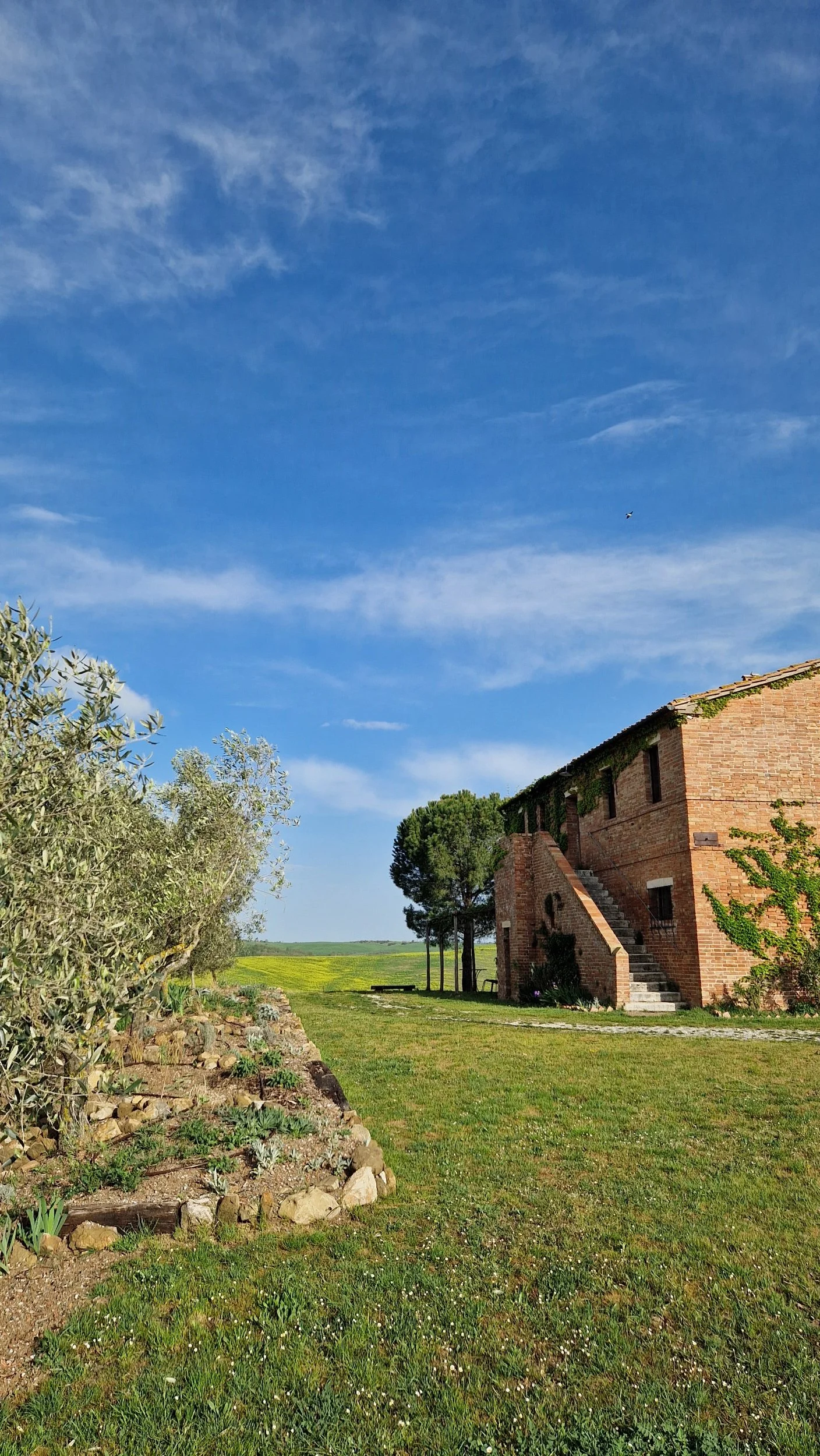
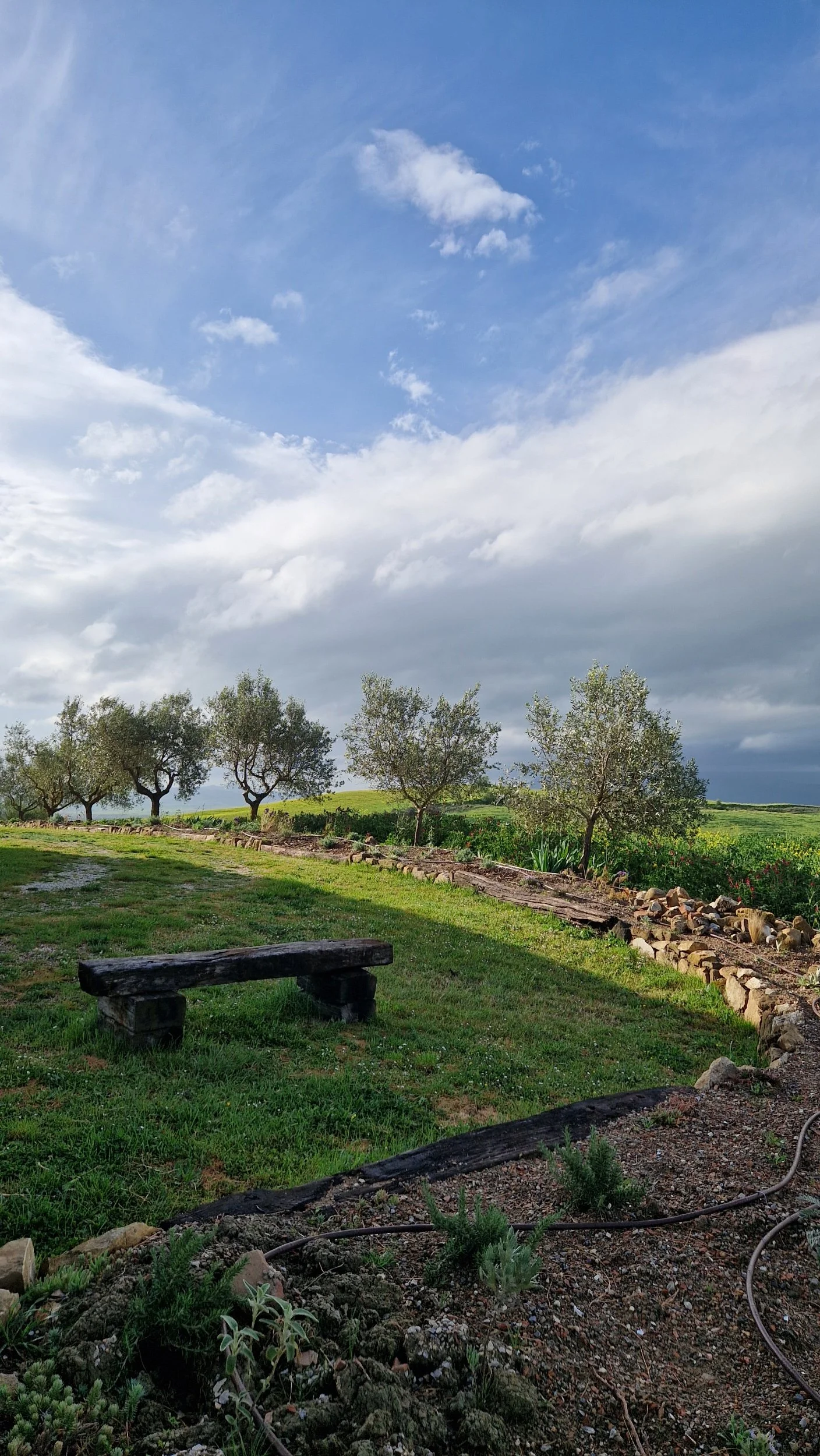
The most natural starting point was the area beneath the olive trees. They were already there, planted by my father around the early 2000s, I believe. I decided to use them as the structure of the garden and create a planted border beneath them. This border would embrace part of the perimeter of the walkable space around the house, where chairs and tables could be placed. South-west facing, with a perfect view and beautiful light, partly sheltered by the house itself.
The greatest challenge was the conditions: a windy site, exposed to strong cold winds in winter and hot dry breezes in summer, full sun all year round, scarce water, and heavy clay soil.
We discussed what kind of substrate we could use for the border and, after weighing costs and available materials, chose something rather humble: a recycled mix of gravel, brick fragments and stones — a by-product from our local quarry.
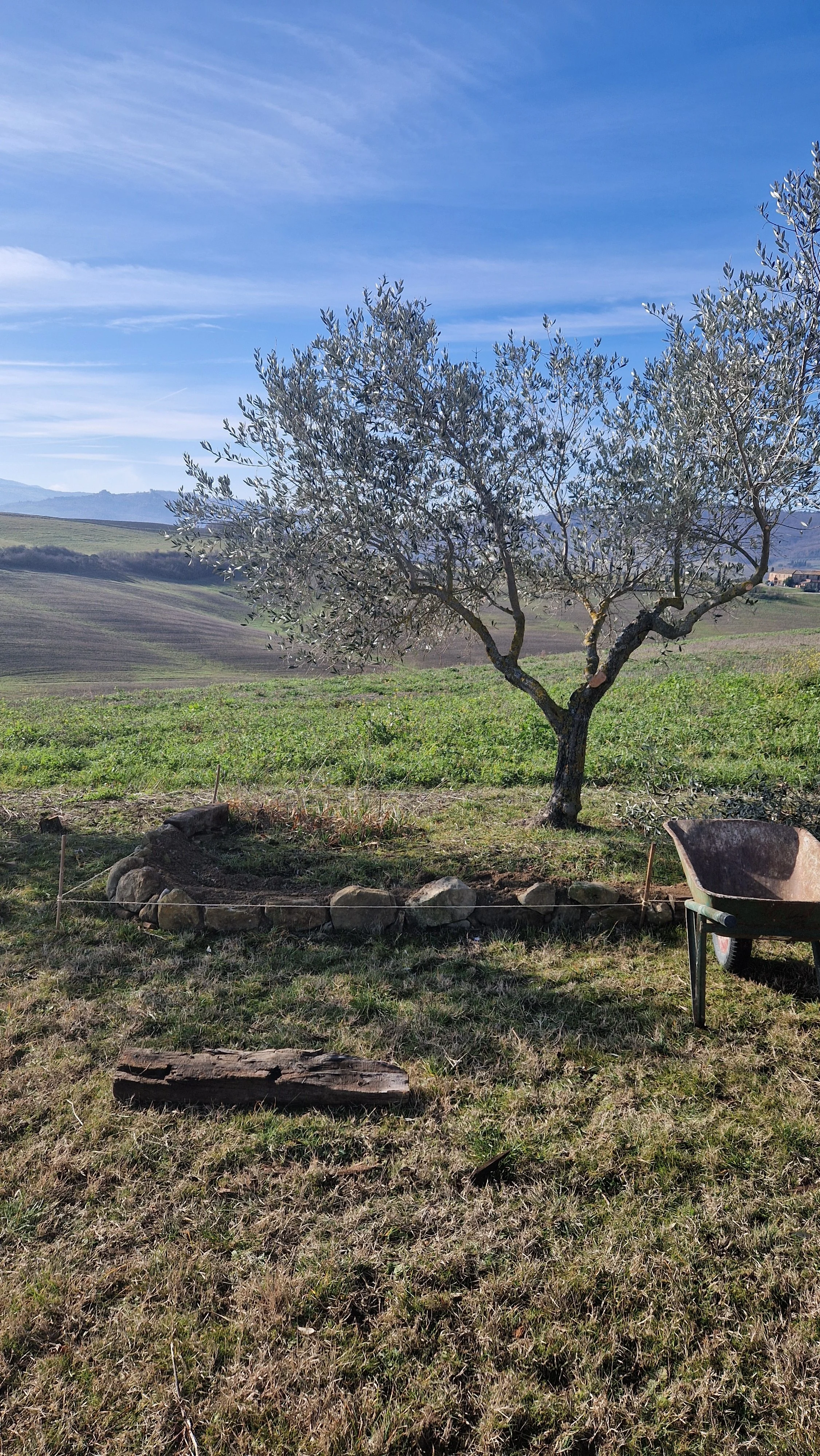
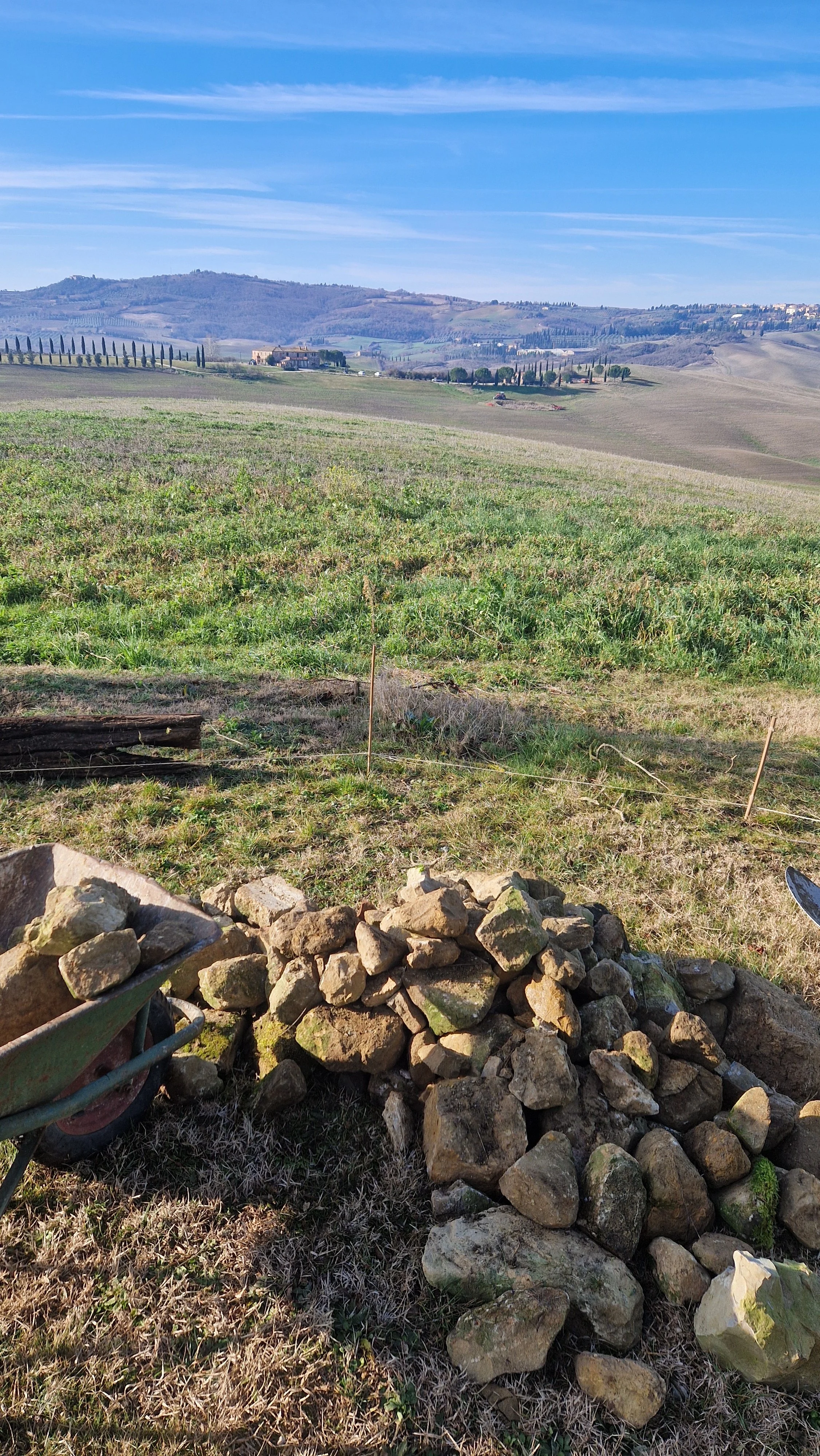
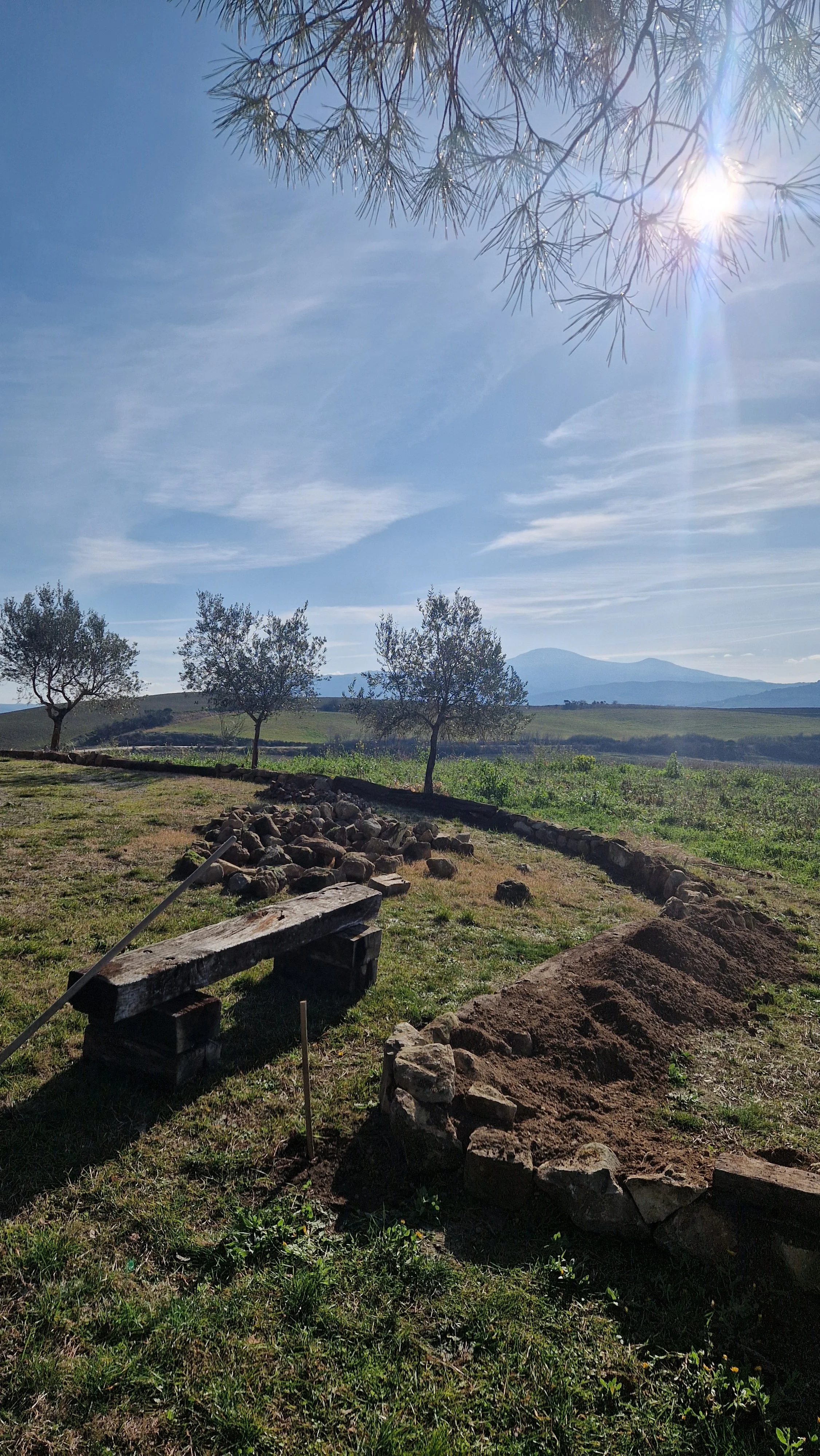
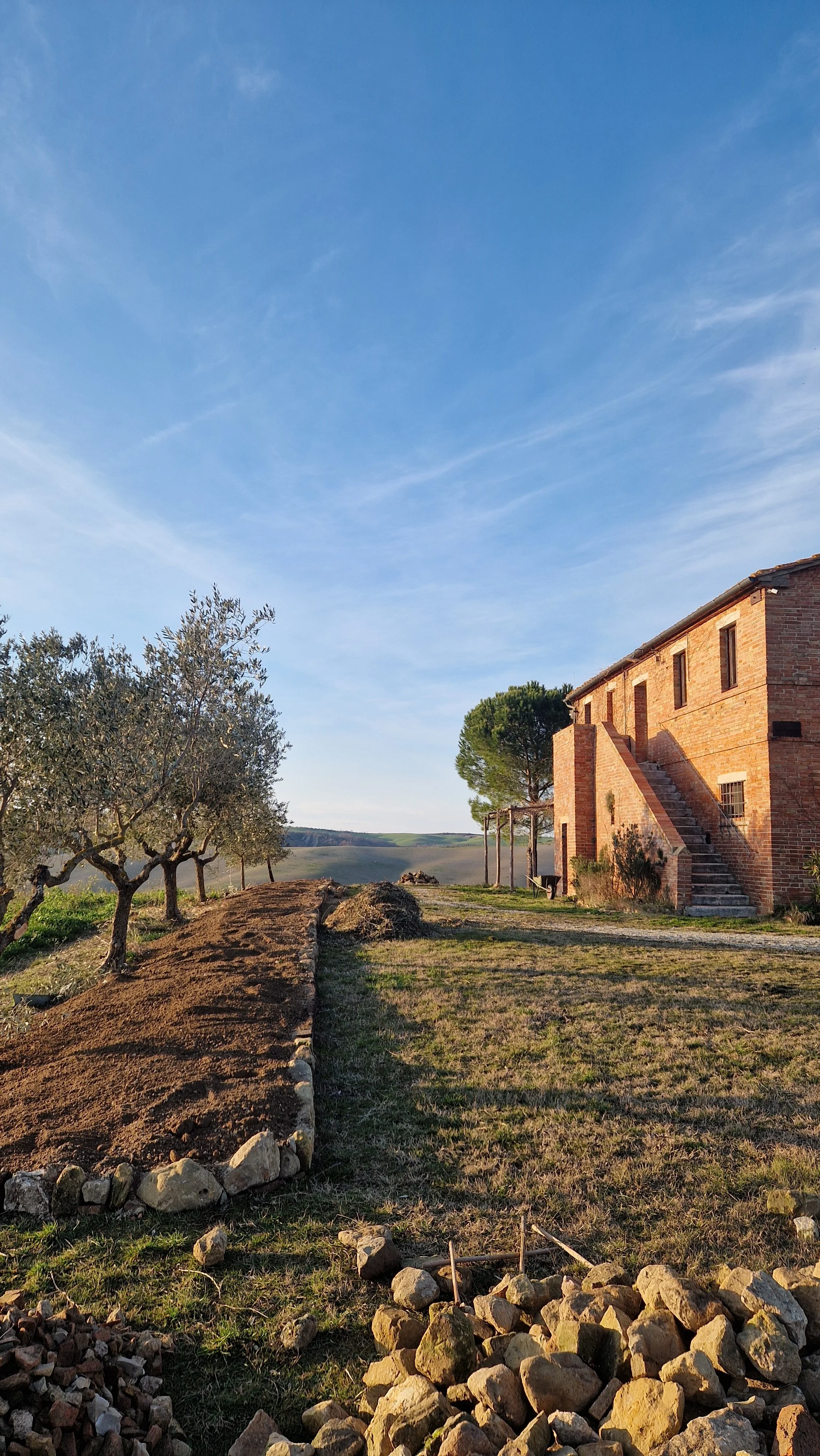
For me, this became an incredibly exciting opportunity.
The soil of Val d’Orcia, and of nearly all the gardens around Il Rigo, is mainly heavy clay. Suddenly I had an area of wonderfully free-draining soil to work with, which opened the door to an entirely different palette of plants: lavender, teucrium, echinops, stachys, cistus, phlomis, but also yucca, dasylirion, agave and verbascum, to name just a few!
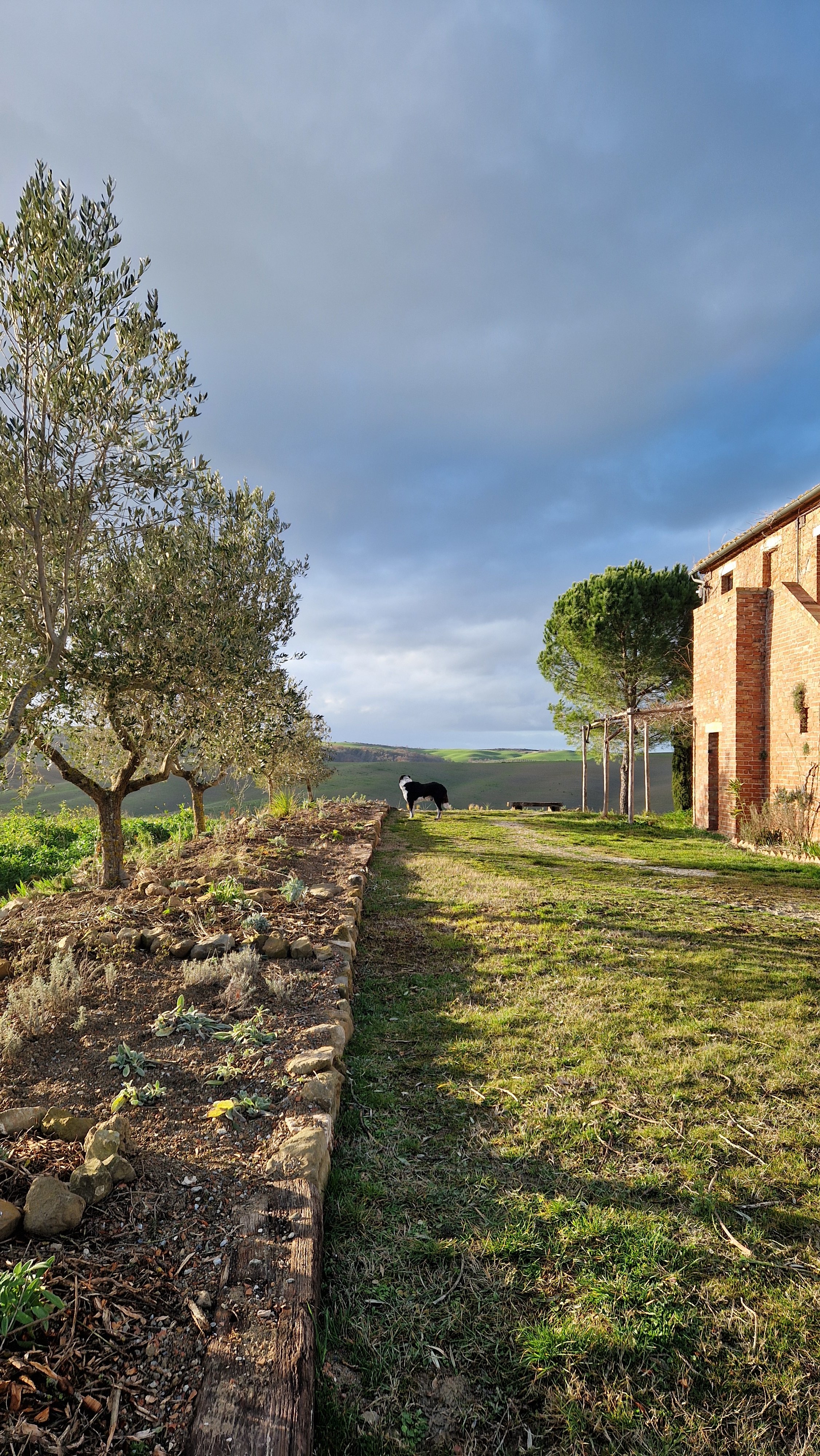
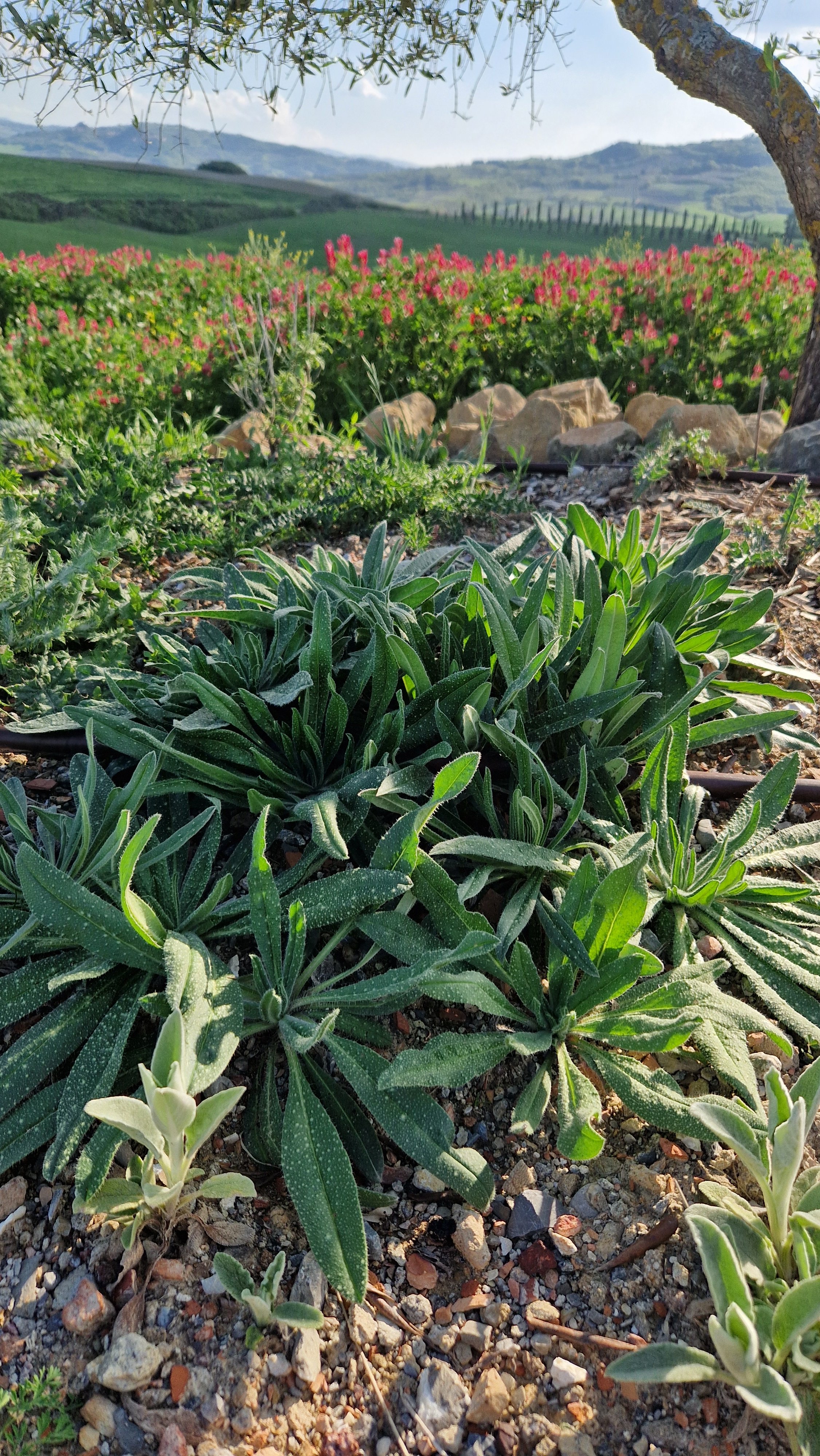
I made a list of possible species, read every article I could find, looked at renowned gravel gardens — Beth Chatto’s being the first that came to mind — and received some wonderfully useful feedback from friends.
But I wanted to go further than that.
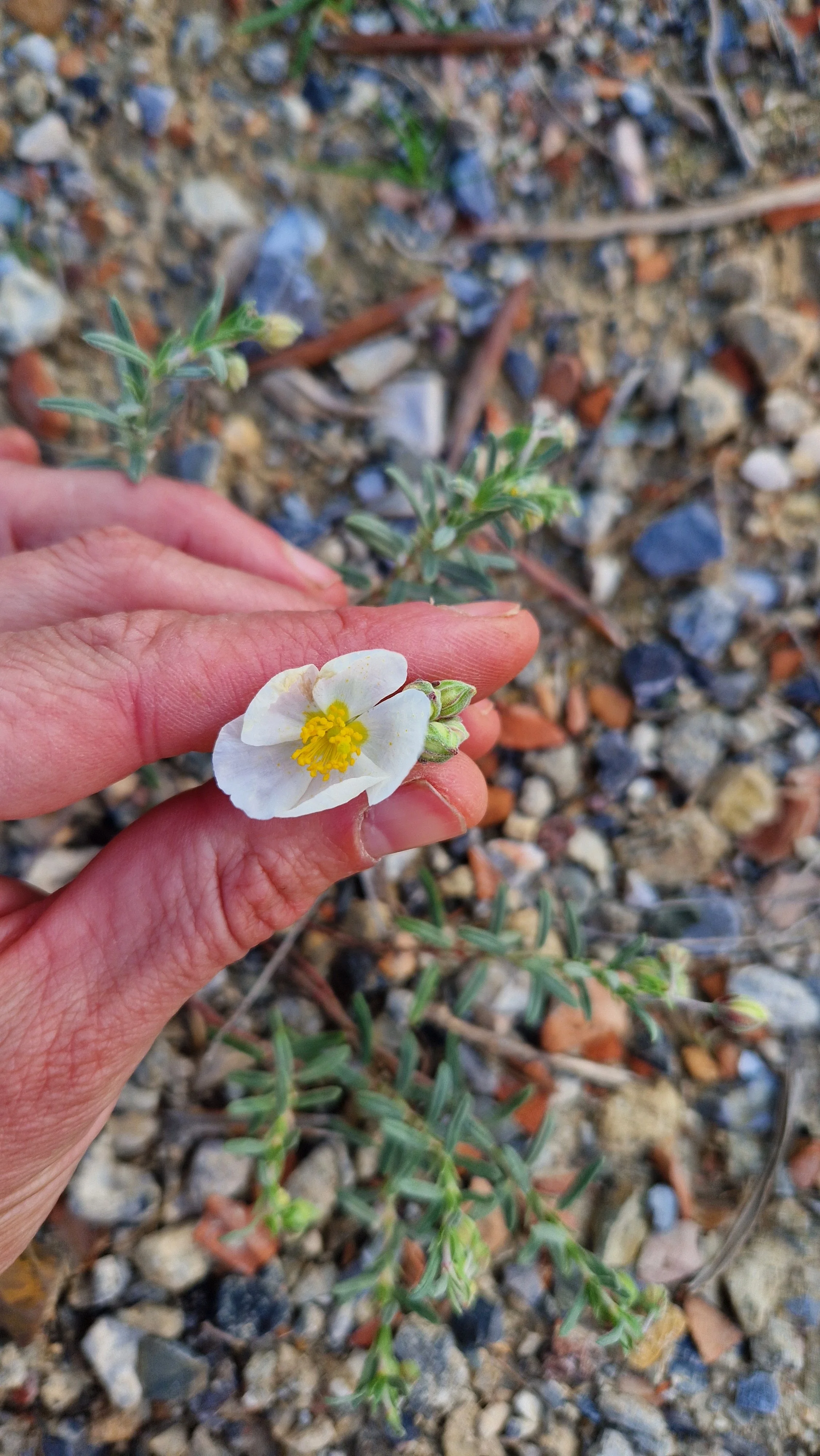
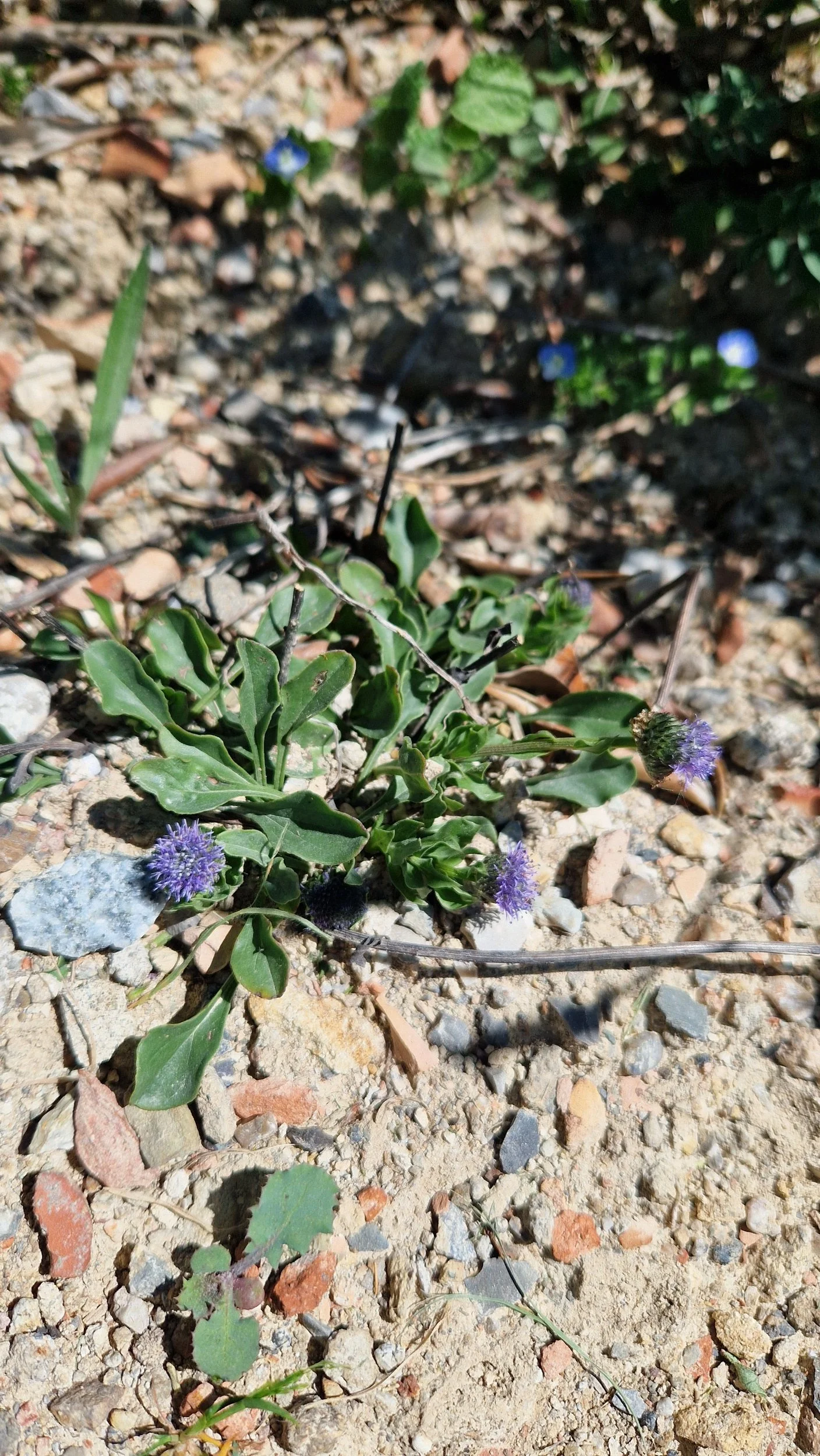
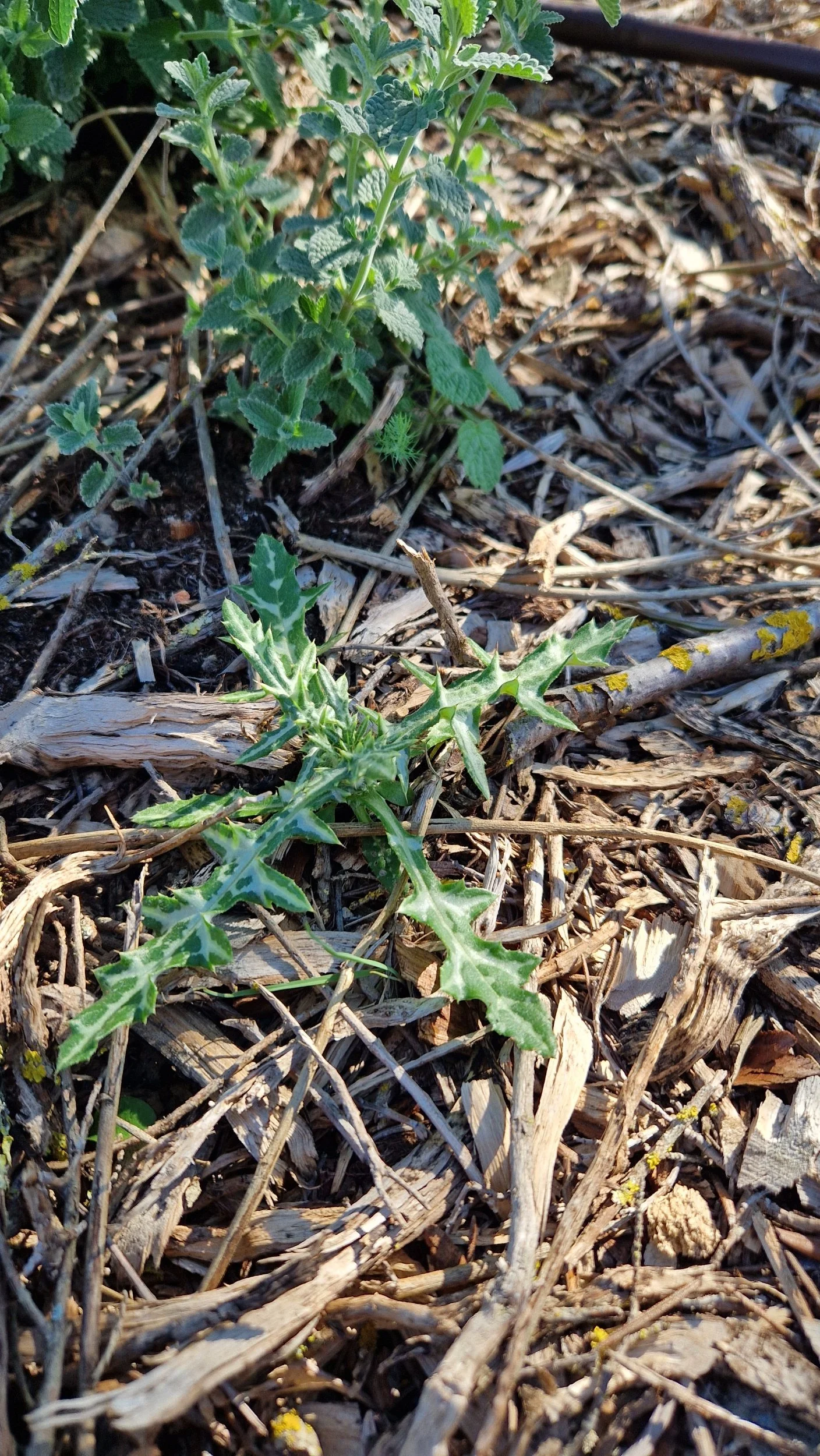
So I began walking through the surrounding countryside, observing and taking notes from the plants thriving in similar conditions: along roadsides, on dry banks, in piles of gravel left from road works — places often full of botanical surprises, such as the spiky Carduus nutans, Echium vulgare and Knautia macedonica — all specimens that I eventually added to the plan.
After weeks of brainstorming, searching and foraging, I finally arrived at a planting plan.
I am so excited to watch this project develop. I have a strong feeling it could become a beautiful and resilient border — one that offers colour, movement and interest throughout the year, and perhaps shines brightest in the summer months, even under the hottest Tuscan sun.
Luisa
did you like this post?
Here you can find more “Thoughts from the Hills”—stories, reflections, and a glimpse of perspective from a Tuscan woman who once dreamed of going far away, and then found she couldn’t leave home.